Tulsa, OK

Oral surgery in Tulsa

Extractions, wisdom teeth, and bone contouring done here rather than referred across town.

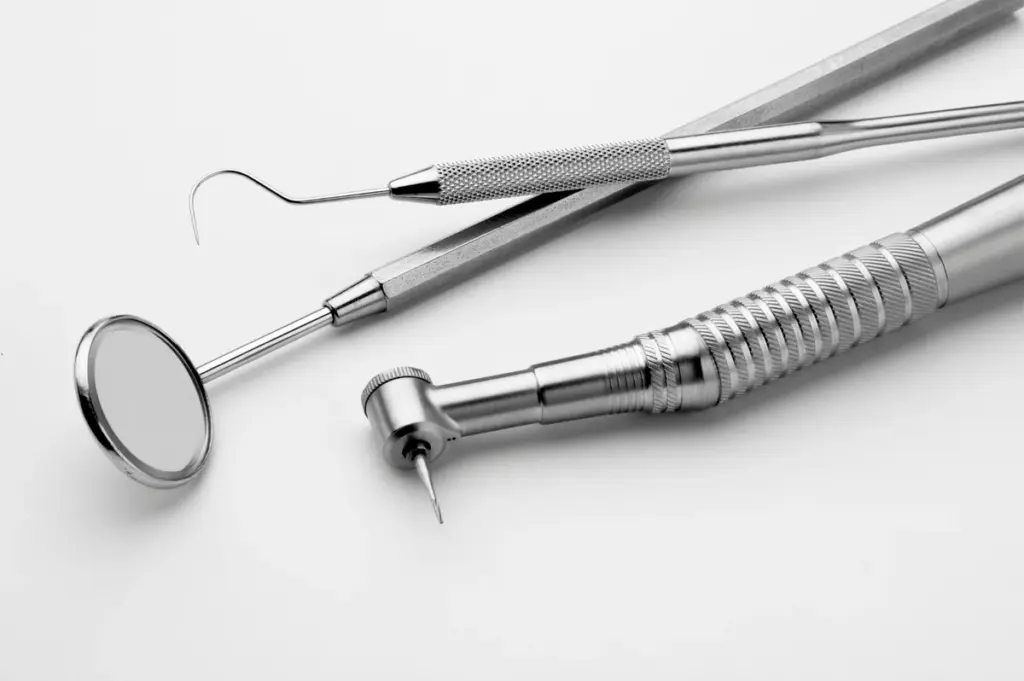
A dental mirror, probe and handpiece laid out on a clean surface

Dr. Hanna completed a one year general practice residency in sedation and oral surgery at LSU Health Sciences Center, so surgical work that many general practices refer out is done in this office. For you that means fewer appointments, one set of records, and the dentist who knows your mouth doing the procedure.

Tooth extractions

A tooth is removed when it cannot be saved, usually because decay or a fracture has gone too far below the gum line, or because advanced gum disease has destroyed the bone holding it.

The area is numbed thoroughly and sedation is available. Before anything is removed, Dr. Hanna will go through what comes next, because the decision about replacing the tooth with an implant or a bridge is easier to plan before the extraction than months afterward.

A dental mirror, probe and handpiece laid out on a clean surface

Wisdom teeth

Wisdom teeth usually appear in the late teens or early twenties, and they cause trouble when there is not enough room for them. They come in at an angle, get stuck against the tooth in front, or push through only partly and leave a flap of gum that traps food and infects repeatedly.

Not every wisdom tooth needs removing. Ones that come in straight, with room and reachable with a toothbrush, can often be left alone. X-rays and an exam tell you which you have.

Not sure where to startCall and describe what is going on.

Call (918) 205-7458

Bone contouring

After teeth are removed, sharp ridges or uneven areas of bone sometimes remain. Dr. Hanna smooths these during surgery where possible, but they occasionally show up weeks or months later and need a second short procedure.

This matters most for patients who are going to wear a denture. A denture sitting on an uneven ridge or over bony growths called tori will never be comfortable, so the bone is reduced and smoothed before the denture is made.
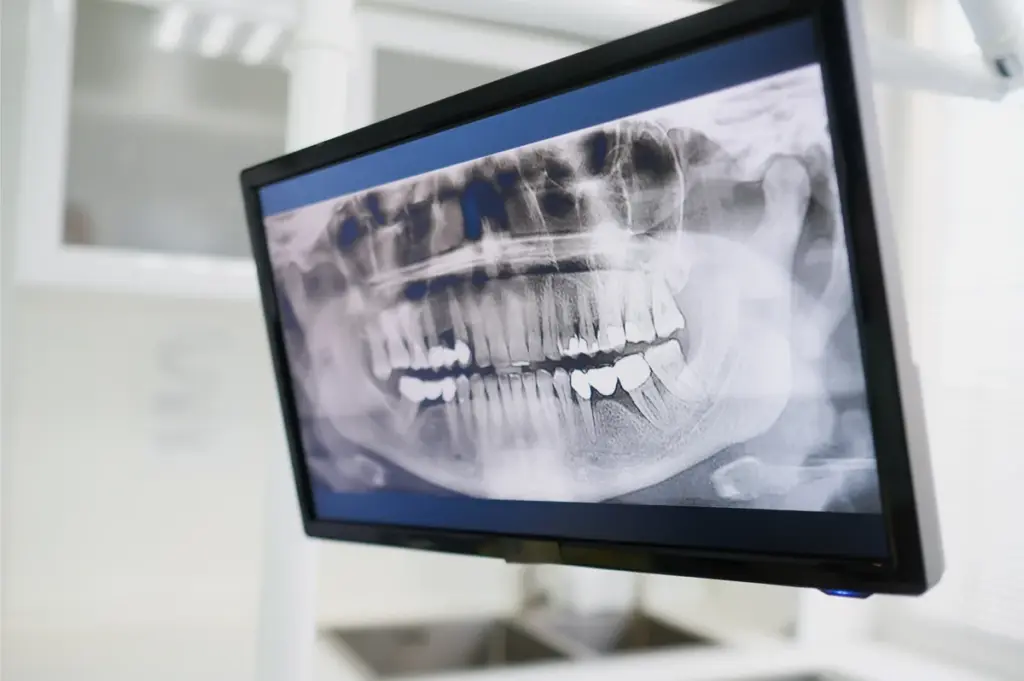
A panoramic dental X-ray displayed on a treatment room monitor

Patients with complex health histories

Surgery is more involved when a patient takes several medications or has a condition that needs monitoring during a procedure, particularly blood thinners, diabetes, and heart conditions. The residency training behind this practice is exactly what makes it possible to handle those cases here safely. Bring a full list of your medications to the consultation.

What oral surgery costs

Extractions are priced by how involved they are. A straightforward extraction of a fully erupted tooth sits well below a surgical extraction of an impacted wisdom tooth, which takes longer and involves more.

Most dental plans cover extractions, usually in the basic or major category, and wisdom teeth are commonly covered where there is a clinical reason for removal. Sedation may be covered separately or not at all. Where an extraction is going to be followed by an implant or a bridge, it is worth planning both together, because the annual maximum and the timing of your benefit year affect the total.

You get the cost of the surgery, the sedation, and any planned replacement before anything is booked.
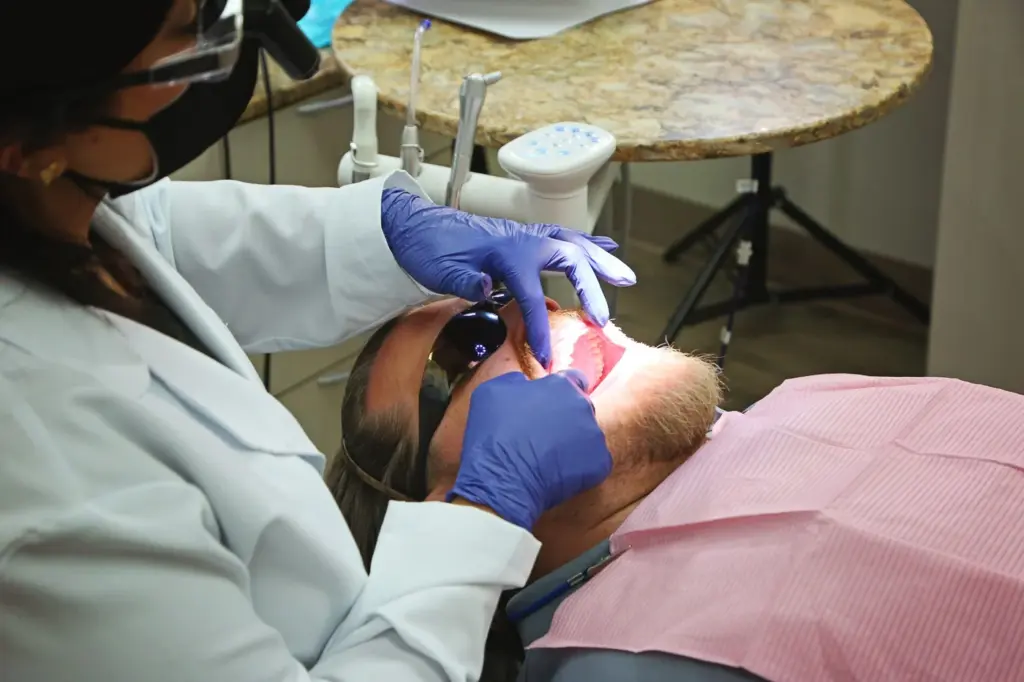
A close-up of treatment in progress at Diamond Dental in Tulsa

Recovery and aftercare

A blood clot forms in the socket and that clot is what everything else depends on. Bite firmly on the gauze for the first half hour, and do not rinse, spit, or use a straw for the first twenty four hours. Suction is what dislodges a clot, and a dislodged clot is a dry socket: severe pain a few days later that needs another appointment to settle.

Do not smoke. Smoking after an extraction combines suction with reduced blood supply and is the single biggest cause of dry socket.

Expect swelling to peak around day two and then improve. Cold on the outside of the cheek helps for the first day, warmth afterwards. Keep to soft food, chew on the other side, and take pain relief as directed on the packet before the numbness fully wears off rather than waiting for pain to arrive.

From the day after, rinse gently with warm salt water several times a day, especially after eating. Keep brushing the rest of your mouth normally. Call us if pain increases after day three, if swelling worsens rather than settling, or if you develop a fever.

Common questions

The questions patients ask us most about this treatment, answered plainly.

Do all wisdom teeth need to be removed

No. Wisdom teeth that come in straight, have room, and can be cleaned properly can often be left in place. Removal is recommended when they are impacted, are pushing into the tooth in front, or keep getting infected. X-rays show which situation you are in.

How long does it take to heal after an extraction

The gum closes over within a week or two for most people, and the bone underneath fills in over a few months. Soreness and swelling for the first two or three days is normal. You will be given aftercare instructions, and following them is what prevents a dry socket.

Can I be sedated for an extraction

Yes. Nitrous gas is available on the day, and oral sedation can be arranged in advance for anxious patients or longer procedures. Ask when you book.

Book your appointment today

Call the office and we will find you a time that works.