
Tulsa, OK

Why your tooth hurts, and what to do about it

Tooth pain almost always has a specific cause, and the kind of pain you have is the biggest clue to what it is.

A close-up of a dental examination in progress

Tooth pain is a symptom, not a diagnosis. What it means depends on what sets it off, how long it lasts, and whether it wakes you up. Below is how a dentist reads those differences, so you have some idea what you are dealing with before you call.

Sharp pain when you eat something cold or sweet

If the pain arrives fast and disappears within a few seconds, that usually points to exposed dentine rather than an infected nerve. It happens when enamel wears thin, when gums recede and expose the root, or when a filling is failing at its edge.

This is the most treatable kind, and worth acting on early. A small filling or treating the gum recession usually resolves it. Left alone, the same tooth often needs a crown or a root canal a year later.

A close-up of a dental examination in progress

A dull ache that lingers after hot or cold

When the pain hangs around for thirty seconds or more after the trigger is gone, the nerve inside the tooth is inflamed rather than just irritated. This is the stage where the tooth can often still be saved with a filling or a crown, but the window is not indefinite.

Sensitivity to heat specifically, rather than cold, tends to be a worse sign. Heat pain often means the pulp is dying.

Not sure where to startCall and describe what is going on.

Call (918) 205-7458

Constant, throbbing pain that wakes you at night

Pain that has its own pulse and gets worse when you lie down is a strong sign that the nerve is infected. Lying flat raises pressure inside the tooth, which is why this kind of pain is famously worst at 2am.

This does not resolve on its own. The infection may quieten for a few days if the nerve dies completely, and people take that as a sign it has healed. It has not. The infection moves into the bone, and the treatment becomes a root canal or an extraction.
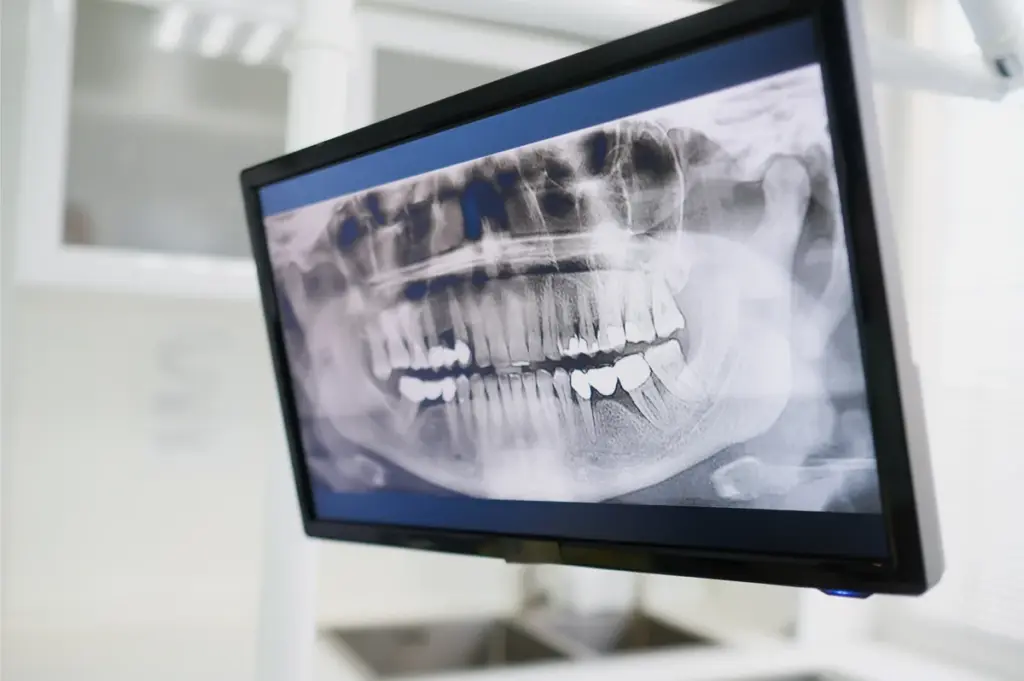
A panoramic dental X-ray displayed on a treatment room monitor

Pain when you bite down on one specific spot

A tooth that hurts on release, rather than on pressure, often has a crack. Cracked teeth are frustrating because they can look normal on an X-ray. The tooth flexes as you bite, the crack opens, and the nerve inside reacts.

Cracks get worse. A cracked tooth caught early can usually be crowned. The same crack left for six months often runs below the gum line, and then the tooth cannot be saved.

Pain with swelling in your face or jaw

Swelling means the infection has spread past the tooth into the surrounding tissue. This needs to be seen the same day. If swelling is affecting your breathing or your ability to swallow, go to an emergency room rather than waiting for a dental appointment.

What actually helps tonight

Over the counter pain relief taken as directed on the packet is the most effective thing most people have at home. Do not hold aspirin against the gum, which burns the tissue.

A cold compress on the cheek helps with swelling, and sleeping propped up on an extra pillow reduces the throbbing. Keep to soft food and chew on the other side.

None of that treats the cause. It buys you a night.

When to call

Call if the pain has lasted more than a day or two, if it wakes you up, if there is any swelling, or if the tooth hurts to bite on. Waiting rarely makes a dental problem cheaper, and the difference between a filling and an implant is often a matter of weeks.

If it has been a long time, come in anyway. Nobody here will lecture you. We deal with what hurts first.
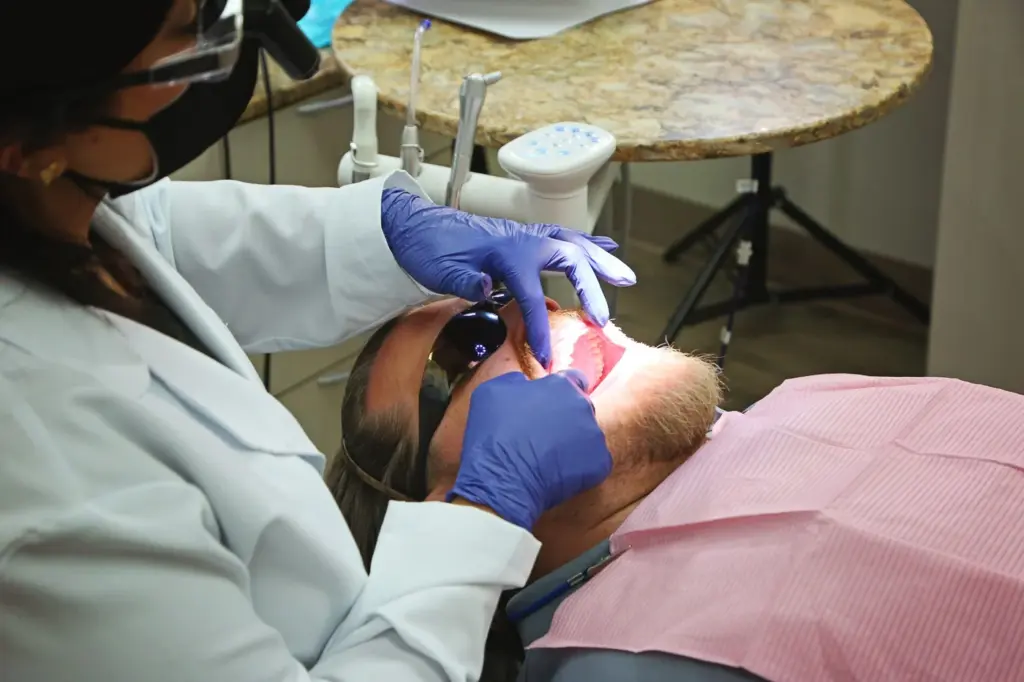
A close-up of treatment in progress at Diamond Dental in Tulsa

Common questions

The questions people ask us most about this, answered plainly.

Can a toothache go away on its own

The pain can, but the cause usually does not. When an infected nerve dies completely the pain often stops for a while, which feels like recovery and is not. The infection continues into the bone. Pain that disappears after being severe is a reason to be seen sooner, not later.

How long can I wait to see a dentist about tooth pain

If there is swelling, the same day. If the pain wakes you at night or the tooth hurts to bite on, within a few days. Brief sensitivity to cold that fades immediately can wait for a routine appointment, but it is worth mentioning when you book.

Why does my tooth hurt more at night

Lying flat raises blood pressure in your head, which increases pressure inside an inflamed tooth. There are also fewer distractions at night. Sleeping propped up on an extra pillow genuinely helps.

Get it looked at

Call the office, describe what is going on, and we will tell you how soon you need to come in.