Tulsa, OK

Root canal therapy in Tulsa

A root canal treats infection inside a tooth so the tooth itself can stay. For most people the appointment is far less dramatic than the reputation.

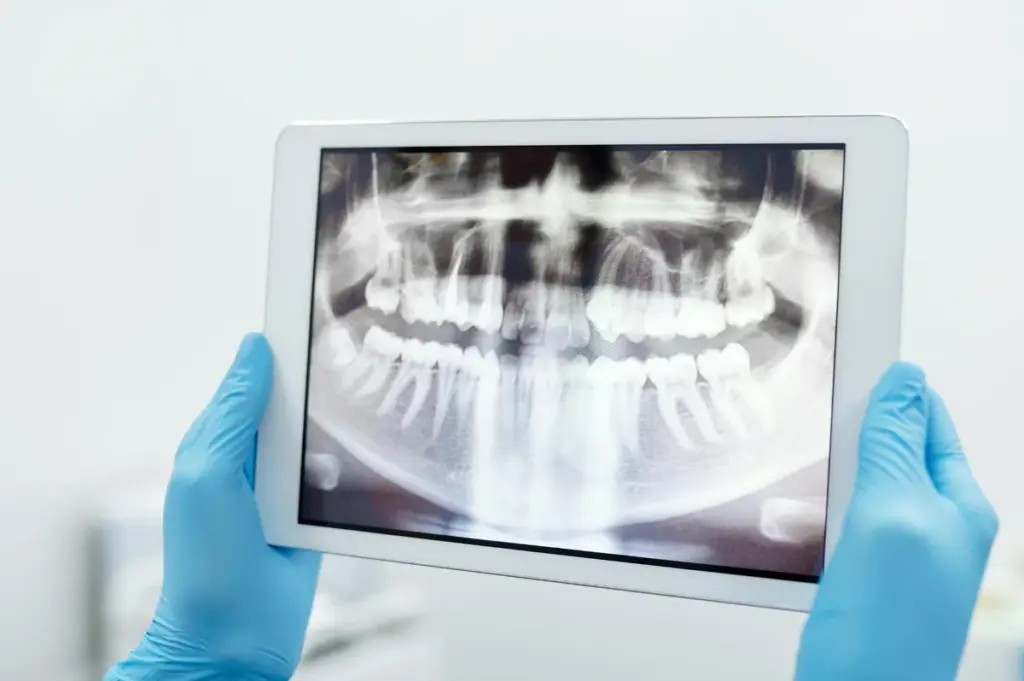
A gloved clinician holding a tablet showing a panoramic dental X-ray

Inside every tooth is a chamber of soft tissue called the pulp, holding the nerve and blood supply. When bacteria reach it, through deep decay, a crack, or a failing filling, the pulp becomes inflamed and then infected. That infection does not clear on its own, and there are only two ways it ends: the pulp is removed, or the tooth is.

A root canal removes the infected tissue, disinfects and seals the space it came from, and leaves the tooth in place doing its job.

How you know you might need one

The classic sign is pain that lingers well after something hot or cold, or that throbs and wakes you at night. Pain on biting, a tooth that has darkened, a pimple on the gum that comes and goes, and swelling in the face are all indicators.

Not every case hurts. A nerve can die quietly, particularly in a tooth that was knocked years ago, and the first sign is an infection visible on an X-ray at a routine checkup. That is one of the arguments for regular X-rays.

Pain that was severe and then stopped is not good news. It often means the nerve has died completely, and the infection is now moving into the bone.

A gloved clinician holding a tablet showing a panoramic dental X-ray

What the appointment is actually like

The tooth is numbed thoroughly first, which is the part that matters. Once it is numb the treatment feels much like having a filling done, and the sensation people remember is having to hold their mouth open.

Dr. Hanna opens the top of the tooth, removes the infected pulp from the canals, cleans and shapes them, and disinfects the space. The canals are then filled with a rubber like material and sealed so bacteria cannot get back in. Depending on the tooth this takes one or two visits.

The reputation root canals have comes from the pain that sends people to the dentist, not from the treatment. The treatment is what stops that pain. Nitrous gas is available, and oral sedation can be arranged in advance if you are anxious.

Not sure where to startCall and describe what is going on.

Call (918) 205-7458

Afterwards

Tenderness for a few days is normal, particularly when biting, because the ligament around the root has been inflamed. Over the counter pain relief handles it for most people. If pain increases after the first few days rather than settling, call us.

A treated tooth needs a permanent restoration promptly, and for a back tooth that almost always means a crown. A root treated tooth has lost its blood supply and becomes more brittle, and the access hole weakens it further. Molars that are not crowned afterwards have a real tendency to fracture, and a tooth that fractures below the gum line cannot be saved. Leaving the crown for later is the most common reason a successful root canal ends in a lost tooth anyway.
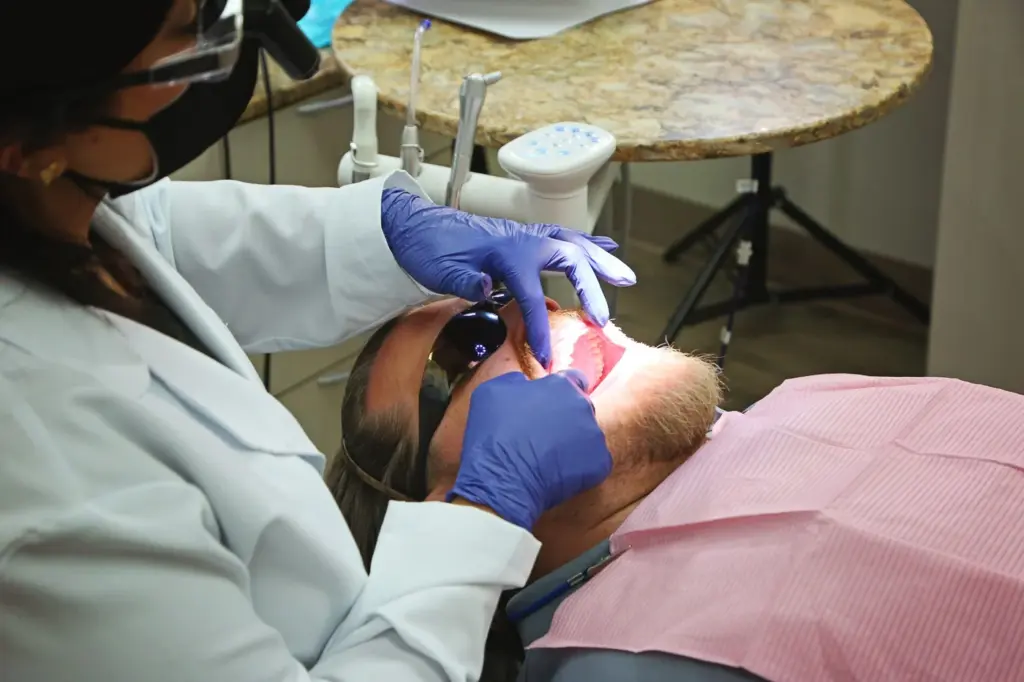
A close-up of treatment in progress at Diamond Dental in Tulsa

Root canal or extraction

Keeping your own tooth is almost always the better outcome. Nothing replaces a natural tooth exactly, and the root keeps the surrounding bone stimulated and stops the neighbouring teeth drifting.

Extraction is quicker and cheaper on the day, but the gap then needs an implant or a bridge, and by the time you have paid for that the arithmetic usually favours the root canal. Where a tooth is cracked through the root, or has too little structure left to restore, extraction is the honest answer and we will say so.

Because oral surgery and implants are handled in this office too, you get the comparison from one person who can do either, rather than from two practices with different interests.

How long they last

A root treated tooth that is properly restored and looked after commonly lasts for decades. Success depends on sealing the canals well, crowning the tooth promptly, and keeping the gums healthy. It is still susceptible to decay at the margins, so it needs the same cleaning and checkups as everything else.

If you are in pain now

Call the office and say so. Pain that is keeping you awake gets worked into the schedule ahead of routine appointments.

Common questions

The questions patients ask us most about this treatment, answered plainly.

Does a root canal hurt

The tooth is numbed first, so the appointment itself feels similar to having a filling. The severe pain people associate with root canals is the infection that led to treatment, and the treatment is what relieves it. Nitrous gas and oral sedation are both available.

How many visits does a root canal take

One or two, depending on the tooth and how many canals it has. A separate appointment follows for the permanent crown, which back teeth almost always need.

Do I really need a crown afterwards

On a back tooth, yes. A root treated tooth is more brittle and the access hole weakens it further, so uncrowned molars have a real tendency to fracture. A fracture below the gum line means losing a tooth the root canal had already saved.

Book your appointment today

Call the office and we will find you a time that works.