Family and Cosmetic Dentistry in Tulsa
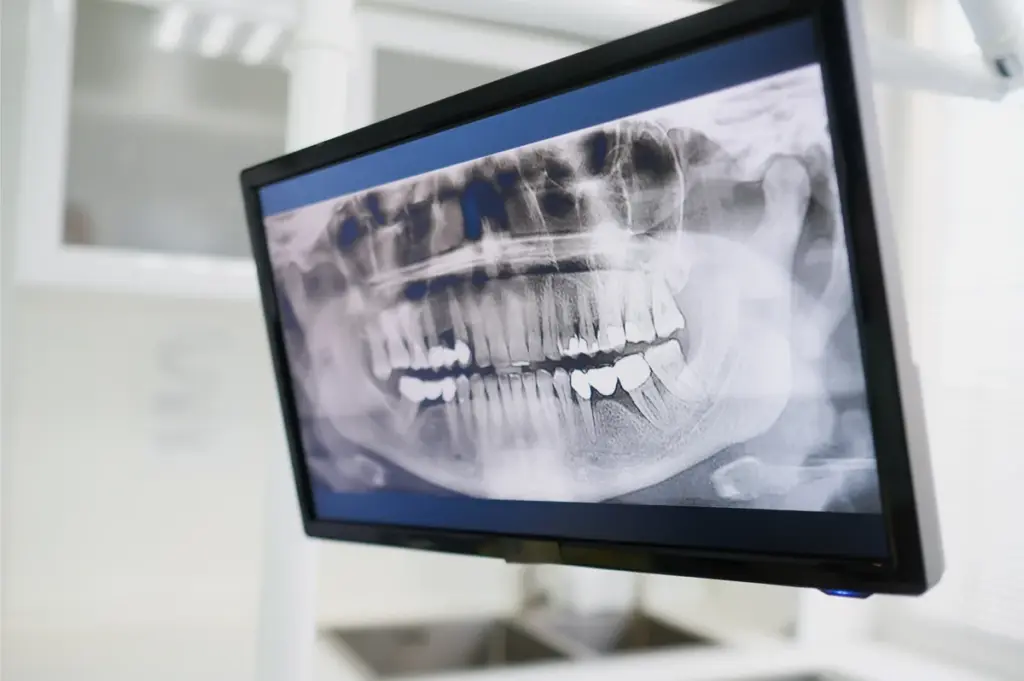
Custom night guards
A custom night guard is the usual first step. It is made from moulds of your own teeth, so it fits precisely and stays put, and it takes the force of the grinding instead of your teeth and joint. The difference from a drugstore boil and bite guard is fit. A guard that does not fit gets pushed out during the night, or changes how the teeth meet and makes the muscle pain worse.
The guard also protects dental work. Crowns, veneers, and bonding all chip under grinding forces, so if you have had cosmetic or restorative work done, a night guard is what keeps it intact.
Treating the cause as well
A night guard and Botox both manage the force. Sometimes there is also a bite problem underneath, where the teeth do not meet evenly and the muscles are compensating. Where that is the case, correcting the bite is part of the plan. Stress, sleep, and posture all feed into clenching too, and it is worth saying so rather than pretending a single appointment resolves everything.
What helps between appointments
Clenching is a habit as well as a physical problem, and some of it responds to attention. Through the day your teeth should not be touching at all except when you swallow or chew. Noticing when your jaw is clamped and letting it drop is a small thing that reduces total muscle load a surprising amount.
Heat on the muscles at the side of the face helps tightness, and cold helps if the joint itself is inflamed. Soft food during a bad spell gives the muscles a rest, and cutting food small rather than biting into it directly takes strain off the joint.
Some habits reliably make it worse: chewing gum, chewing ice, biting nails, and holding a phone against your shoulder. Poor sleep and stress feed clenching too, and it would be dishonest to pretend a night guard resolves that part on its own.